
Best Lip Oil - Top 5 in 2026

Lip oil is a product that combines skincare with a subtle visual effect—it moisturizes, nourishes, and gives your lips a delicate, natural glow without the heavy, sticky film typical of traditional lip glosses. Its formula typically includes plant oils (such as jojoba, wild rose, and sweet almond), vitamins, and emollients that strengthen the lips’ hydrolipid barrier and protect them from drying out. By 2026, lip oil is no longer just a social media trend but a full-fledged skincare category—manufacturers are competing to create formulas that simultaneously regenerate, smooth, and add color. The problem is that with such a wide selection, it’s easy to come across a product that looks great in photos but disappoints in practice when it comes to longevity or ingredients. That’s why, with the help of our testers, we’ve compiled a list of the Top 5 best lip oils of 2026—our testers evaluated texture, moisturizing power, staying power, and comfort. Check out our ranking and choose a lip oil that meets your expectations.
The ranking factors we took into account are:
- Formula
- Ingredients
- Comfort of use
- Moisturizing power
- Color
- Effect of use
- Effectiveness
What features should you look for in good lip oils?
Nourishing plant oils (jojoba, wild rose, sweet almond, avocado): These form the base of every good lip oil—natural plant oils provide the skin with essential fatty acids that rebuild the hydrolipid barrier and prevent moisture loss. The best formulas combine several oils with complementary effects, leaving lips nourished, soft, and protected from dryness.
Vitamin E (tocopherol): A powerful antioxidant that protects the delicate skin of the lips from the harmful effects of free radicals, UV radiation, and environmental factors. In lip oil, it also acts as a smoothing agent—it helps reduce fine cracks and accelerates the regeneration of dry, chapped lips.
Hyaluronic acid or squalane: Lip oil with hyaluronic acid binds water in the epidermis and provides long-lasting hydration, while squalane—a natural ingredient identical to skin lipids—strengthens the protective barrier without feeling heavy. The presence of either of these ingredients significantly improves the product’s comfort and prolongs the moisturizing effect.
Non-sticky, comfortable texture: Even the richest formula won’t win you over if the product sticks to your hair and leaves an unpleasant film. A good lip oil should glide on easily, absorb within moments, and leave only a delicate, satin sheen—without any tightness, stickiness, or a film you’ll want to wipe off immediately.
UV filter or protective ingredients: The skin on the lips is exceptionally thin and virtually devoid of melanin, making it particularly susceptible to sun damage. Lip oil with a UV filter or antioxidants protects against photoaging, chapping, and dryness—a particularly important feature in products for daily, year-round use.
Subtle color or the “juicy lips” effect: In 2026, lip oil is increasingly replacing traditional lip gloss, so it’s worth paying attention to formulas that offer subtle tinting or the effect of wet, full lips. The best products build color gradually, layer by layer, allowing you to adjust the intensity to suit the occasion—from a natural “no-makeup” look to a more dramatic one.
Convenient applicator: How a product is applied is crucial for one used several times a day. A lip oil with a precise spatula- or doe-foot-shaped applicator makes it easy to apply evenly, minimizes the risk of applying too much product to your lips, and makes touch-ups throughout the day take literally just a few seconds.
Check out our ranking of the best lip oils:

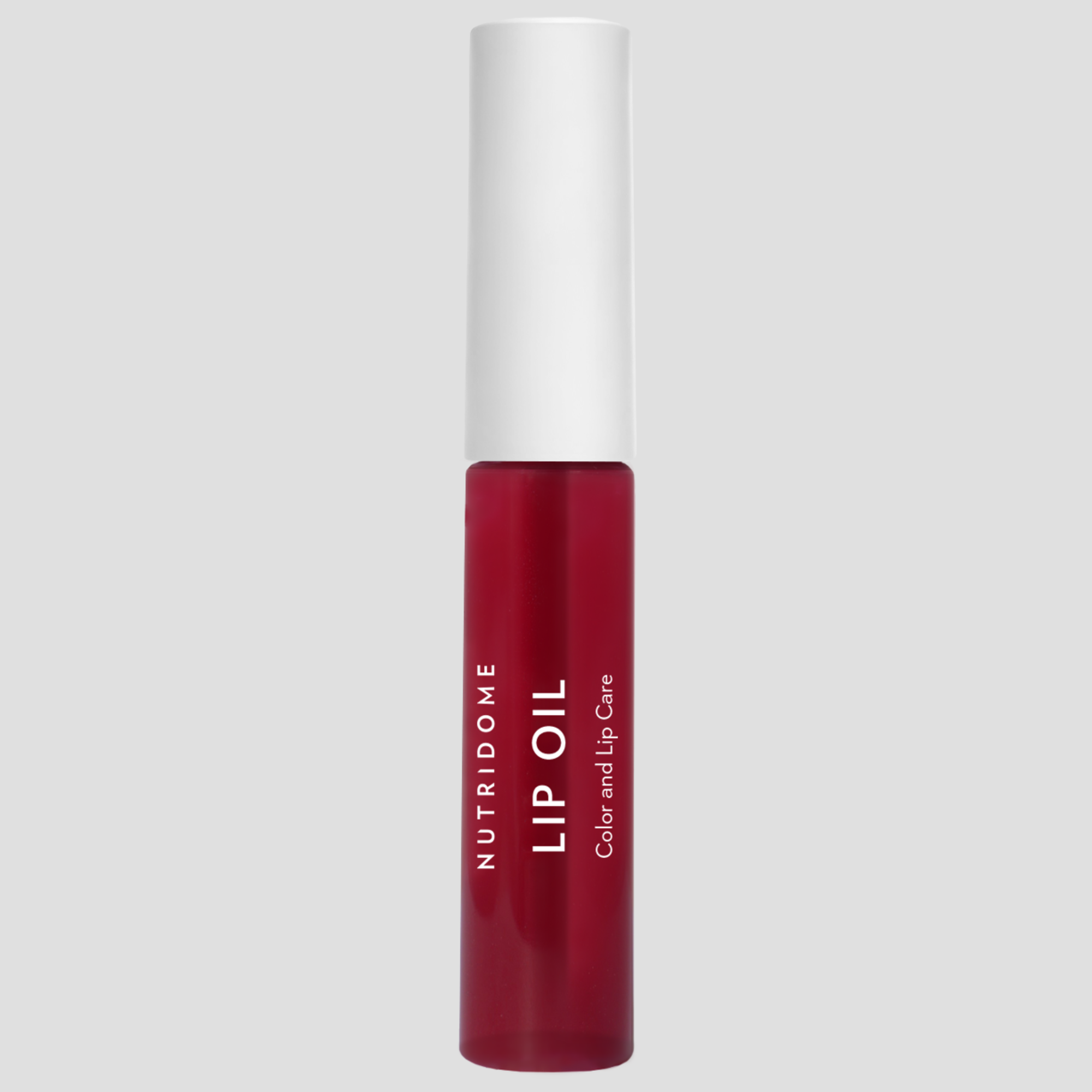
Nutridome Tinted Lip Oil with Vitamin E is a lip oil that combines lip care with subtle color and a glossy finish. Avocado oil and sunflower oil are responsible for the formula’s nourishing properties. Rich in fatty acids, they strengthen the lips’ protective lipid barrier, softening them and smoothing out dry skin. Testers particularly appreciated the inclusion of vitamin E, which, as an antioxidant, protects the delicate skin of the lips from harmful environmental influences. Asian pennywort extract supports the health of the lip skin and helps maintain its elasticity, while lotus flower extract adds a nourishing touch to the formula. Our testers noticed that the lip oil provides long-lasting hydration, and the lips appear fuller and more well-groomed. They were delighted by the light, non-sticky texture, the precise applicator, and the subtle vanilla-floral scent. They also praised the three versatile shades: Orchid Whisper, Scarlett Kiss, and Cocoa Glow. Each works well on its own as an everyday lip gloss, and paired with a lip liner for evening outings. The handy little bottle, which lasts impressively long, fits easily into any purse, so your favorite lip oil is always within reach.
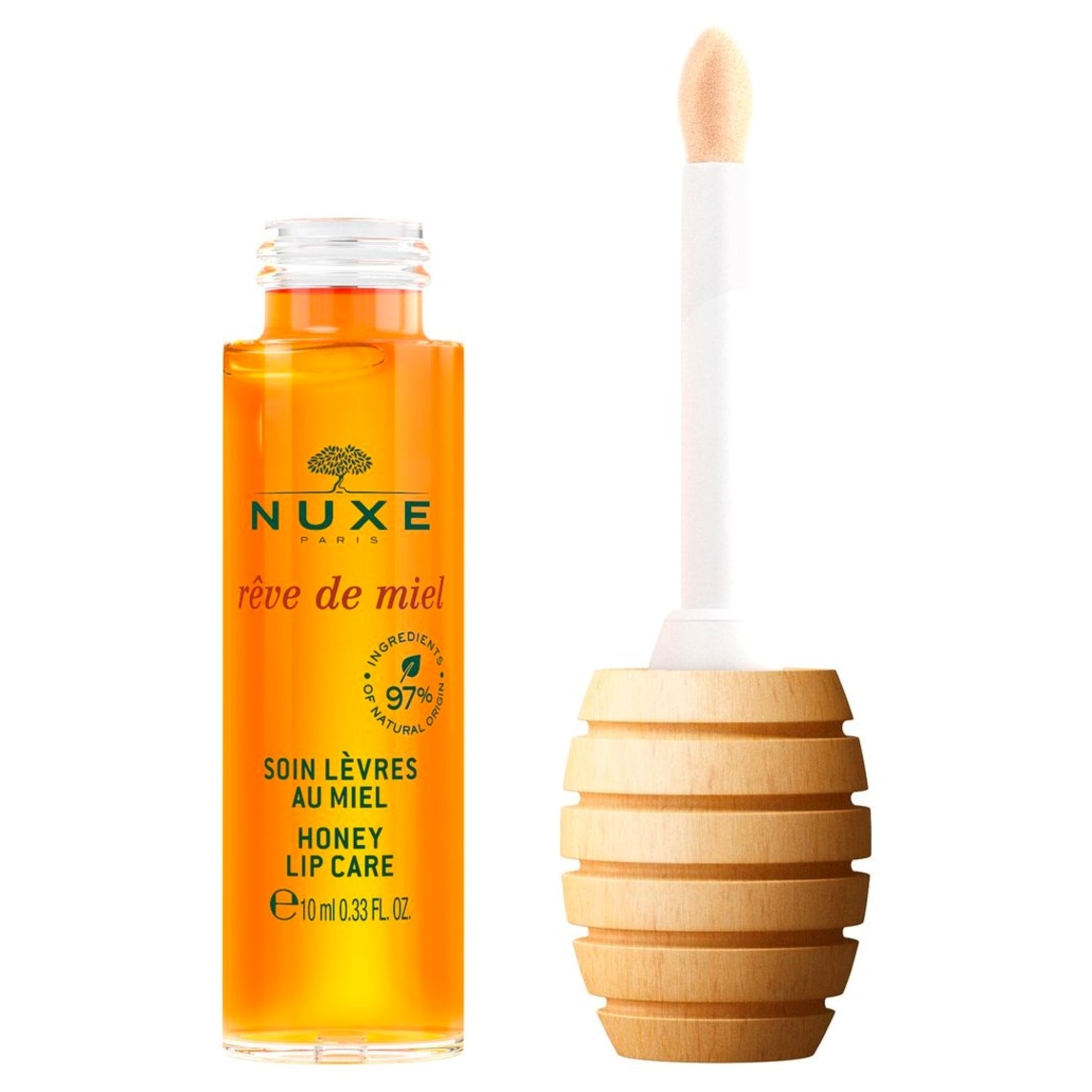
Nuxe Reve de Miel is a lip oil that combines skincare with the effect of a subtle lip gloss. The formula, 97% derived from natural ingredients, contains castor oil, which forms a flexible, shiny film on the lips, and camelina oil, rich in omega-3 and omega-6 fatty acids, which replenish the skin’s lipids and soften dry skin. Lavender honey from Provence acts as a humectant and helps retain moisture in the lips, while sunflower oil and vitamin E protect the lips from oxidative stress. The attractive and unique packaging, shaped like a honey spoon, is worth noting. Our testers did not like the presence of the fragrance and allergens: honey, linalool, geraniol, limonene, and alpha-isomethyl ionone. One of the testers complained of a severe allergic reaction after application. Another downside is the high price compared to drugstore lip oils.
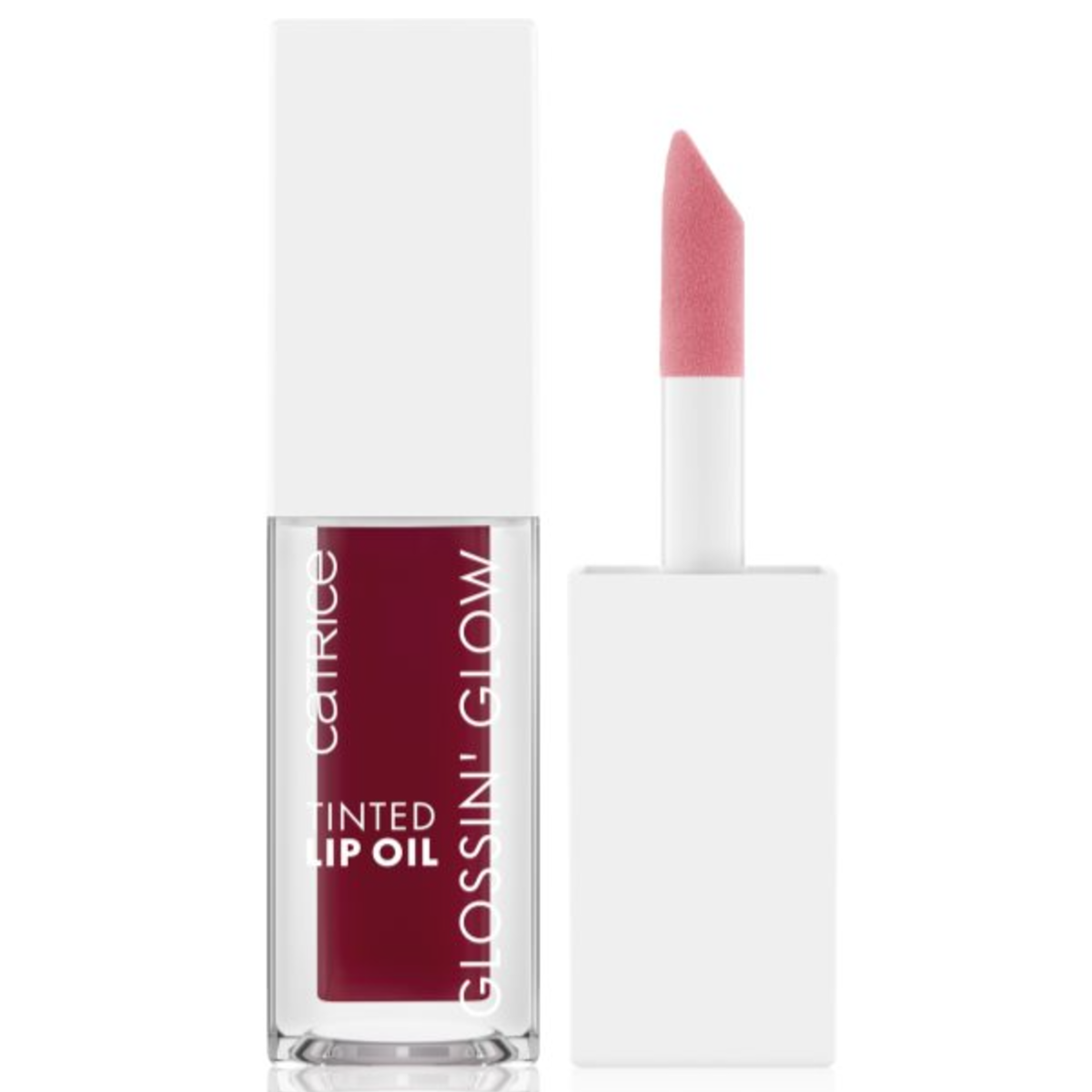
Catrice Glossin' Glow is a tinted lip oil that combines the high shine of a lip gloss with skincare benefits. The formula contains cherry seed oil, rich in oleic and linoleic acids, and pomegranate seed oil, which contains punicic acid with antioxidant properties. Both oils soften the lip skin and help prevent dryness. The color comes from a pigment that reacts with the lips’ natural pH, resulting in a personalized shade that lasts subtly. The formula is vegan. Our testers noted that the product’s base consists of synthetic emollients and polybutene, while plant oils appear only later in the ingredient list, resulting in moderate moisturizing effects. Some testers felt a slight stickiness on their lips. Other drawbacks include the presence of fragrance and synthetic dyes, as well as the very small package size—just 4 ml.
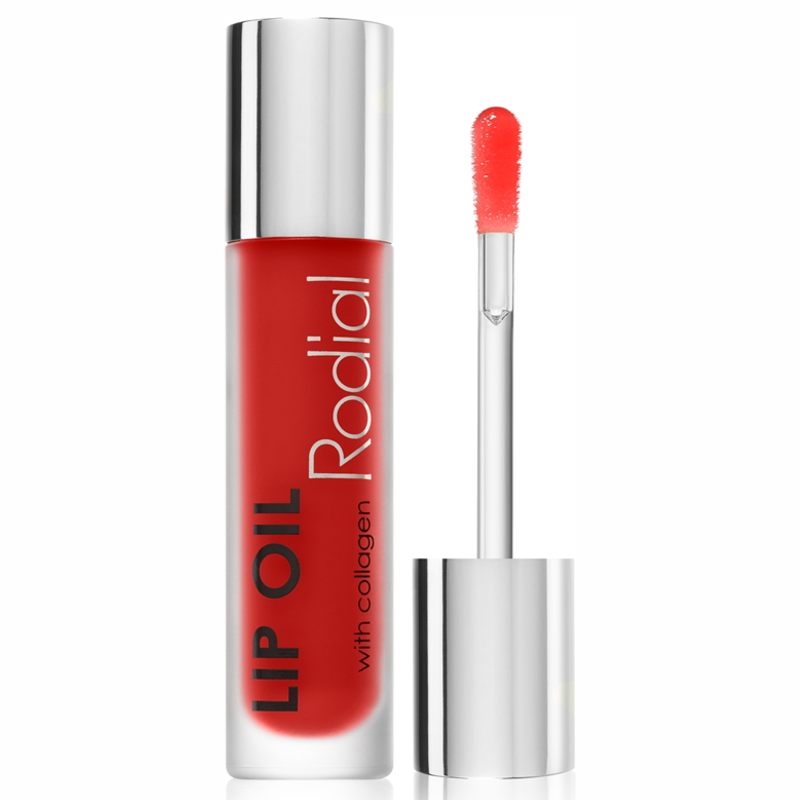
Rodial Lip Oil is a lip oil with collagen that is designed to visually smooth and plump the lips. Collagen amino acids bind water in the epidermis, making lips appear fuller and more hydrated, while fine lines become less visible. Macadamia, jojoba, sweet almond, and cherry seed oils replenish the lips’ lipids, soften dry skin, and reduce water loss. Castor oil provides a glossy finish, and radish ferment filtrate acts as a preservative. The oil can be applied during the day or used as an overnight mask. Our testers did not like that the formula is based on synthetic polymers and hydrocarbons, while the plant oils are listed only after the vanilla fragrance. They also noted that the wheat germ and hibiscus oils mentioned by the manufacturer are not listed in the INCI ingredients. A drawback is the high price compared to other oils with a similar polymer-based formula.
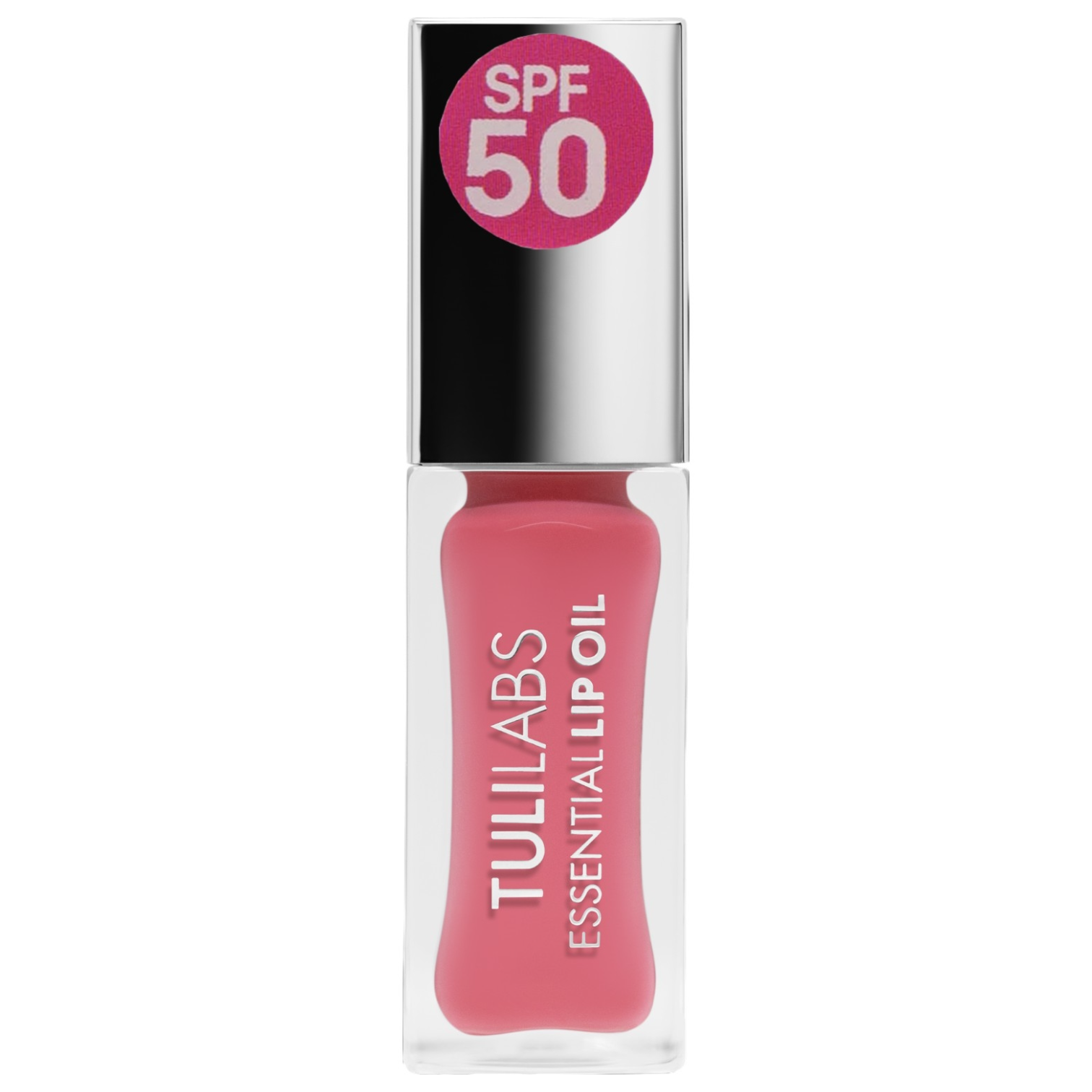
Tuli Labs Essential Lip Oil is a lip oil that, in addition to providing care, offers very high protection against UV radiation. The SPF 50 is provided by photostable filters: broad-spectrum bemotrizinol, UVA-protecting diethylamino-hydroxybenzoyl-hexylbenzoate, and UVB-absorbing ethylhexyltriazone. As a result, the lips are better protected against photoaging and dryness during sun exposure. The base consists of caprylic/capric triglycerides and emollient esters, which smooth the lips and form a light film on them, while sunflower and castor oils provide additional moisture. Tocopheryl acetate, a form of vitamin E, acts as an antioxidant. Testers noted that the fragrance and sweetener encourage licking the lips, which quickly reduces protection. The filter must therefore be reapplied regularly, especially after eating and drinking. Another downside is the presence of numerous dyes, and there are relatively few actual skin-care ingredients in the formula.
