
Best yoga mat - Top 5 in 2026

A yoga mat is an essential piece of equipment for anyone who wants to reap the full benefits of yoga practice - whether you're just starting out or already have years of experience. The right yoga mat provides stability in poses, comfort during longer sessions and joint protection thanks to adequate cushioning. The non-slip surface means that you can focus on your breathing and the proper performance of asanas, without worrying about losing your balance. A high-quality yoga mat is an investment in safety, comfort and greater efficiency - whether at home, in the studio or outdoors. A variety of models are available on the market - from ultralight, easy-to-carry models to thicker and more cushioned variants. Below you will find a list of the best yoga mats in 2026, which will help you choose the mat that best suits your needs and style of practice.
Ranking factors we took into account are:
- Material
- Amortization
- Appearance
- Hygiene
- Price
- Convenience
- Safety
What features to look for in good yoga mats?
Material: Most common mats are made of PVC, TPE and natural rubber. PVC is durable and resistant to heavy use, though less environmentally friendly. TPE is a lighter, more environmentally friendly option that is easy to clean. Natural rubber offers the best grip and stability, which dynamic yoga practitioners will appreciate, but the mat is heavier and more demanding to care for.
Thickness and cushioning: The most popular yoga mats are 4-6 mm - providing a balance between stability and cushioning. Thinner ones (about 2-3 mm) are great for travel and dynamic yoga, where stable contact with the ground is crucial. Thicker ones (7-10 mm) provide more comfort for knees and joints, but can make it difficult to maintain balance in standing positions.
Sizes: Standard mats are about 173-183 cm long and 61 cm wide. Taller people can look for models up to 200 cm in length. It is advisable to choose the width so that it provides freedom of movement, but does not make it difficult to carry.
Grip and texture: A good yoga mat should guarantee non-slip performance with both dry and sweaty hands. The surface can be smooth (easier to clean) or lightly textured to increase stability. In yoga, it is important not only to grip the ground, but also to ensure that hands and feet do not slip during practice.
Additional features and functionality:A carrying case, carrying strap or special positioning lines make it easier to transport and help with proper body alignment. It's also worth checking whether the mat cleans easily and how it reacts to moisture - this is especially important when practicing yoga.
Take a look at the ranking of the best yoga mats:

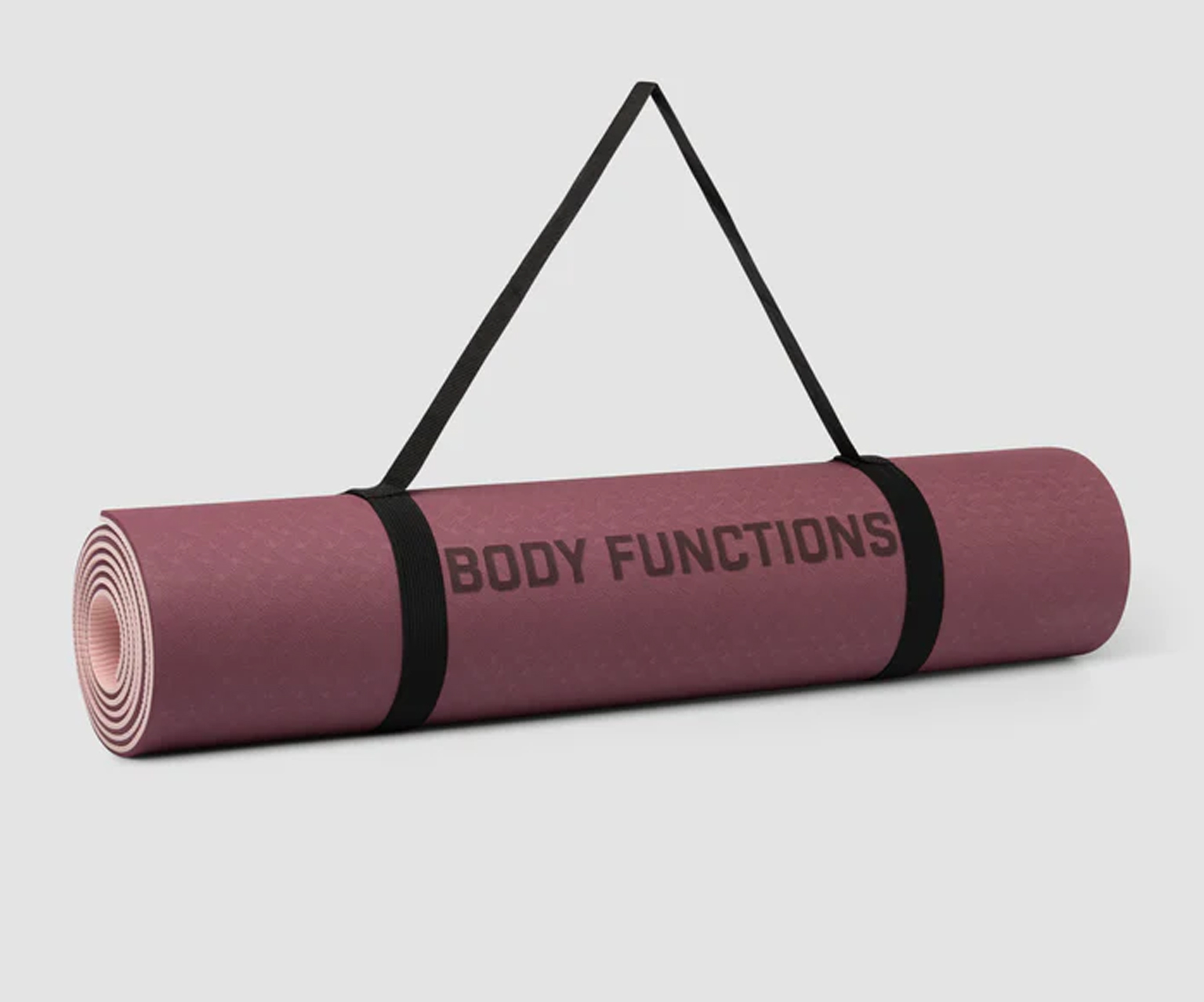
The Body Functions brand yoga mat quickly won the praise of our testers thanks to its unique combination of comfort and durability. Already at the first use, the testers' attention was caught by the comfortable thickness, which provides soft cushioning and at the same time stable support in balancing positions. Optimal dimensions allow you to exercise without restriction, giving you full freedom of movement. Our testers especially liked the non-slip and smooth surface - even with intensive practice, hands and feet have stable support. Testers also appreciated the water resistance and ease of cleaning: the mat dries quickly and does not absorb moisture, which promotes hygienic practice. The advantage that testers stressed most often was mobility - the lightweight construction and resistance to damage make it easy to take the mat to class or on a trip. Pleasant to the touch texture and aesthetic finish complete the package, making this model a reliable companion for daily yoga. The Body Functions yoga mat will also prove useful for pilates or stretching exercises.
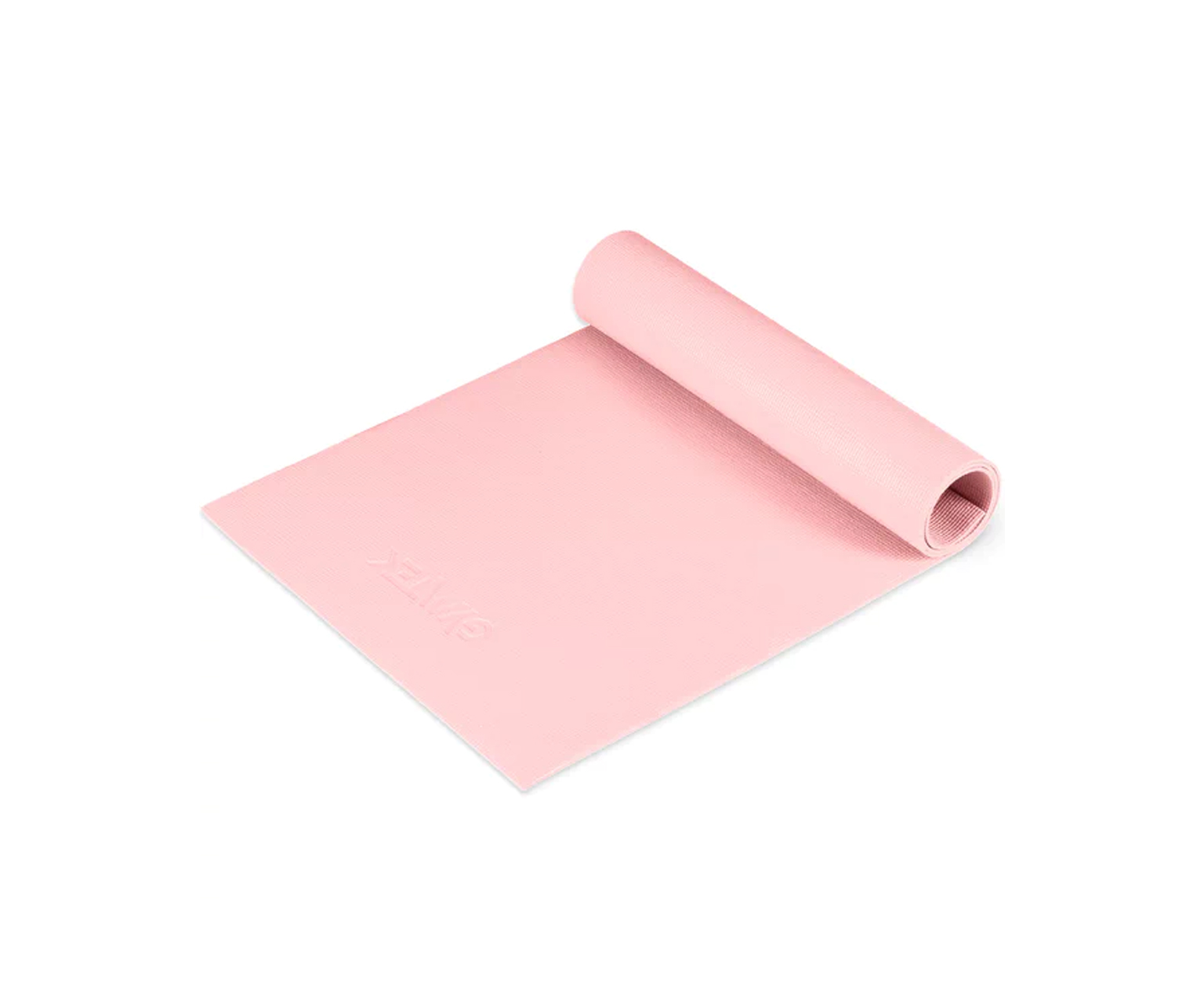
The Gymtek brand yoga and exercise mat caught the attention of our testers with its lightweight and practical format. The dimensions of 173×61 cm provide sufficient space for exercise, and the thickness of 0.5 cm offers pleasant cushioning for the joints when lying down or supporting positions. The non-slip surface worked especially well during dynamic sequences, guaranteeing stability and firm contact with the ground. The testers also emphasized the ease of keeping the mat clean - thanks to its smooth, waterproof structure, you only need to wipe it with a damp cloth to make it look fresh again. Our testers also liked that the mat is flexible and portable - it can be quickly rolled up and easily taken to class. However, they were slightly less enthusiastic about its resistance to intensive use: with frequent workouts, minor signs of wear and tear were noticeable. According to our testers, the Gymtek yoga mat will not be a good choice for those who prefer outdoor training.
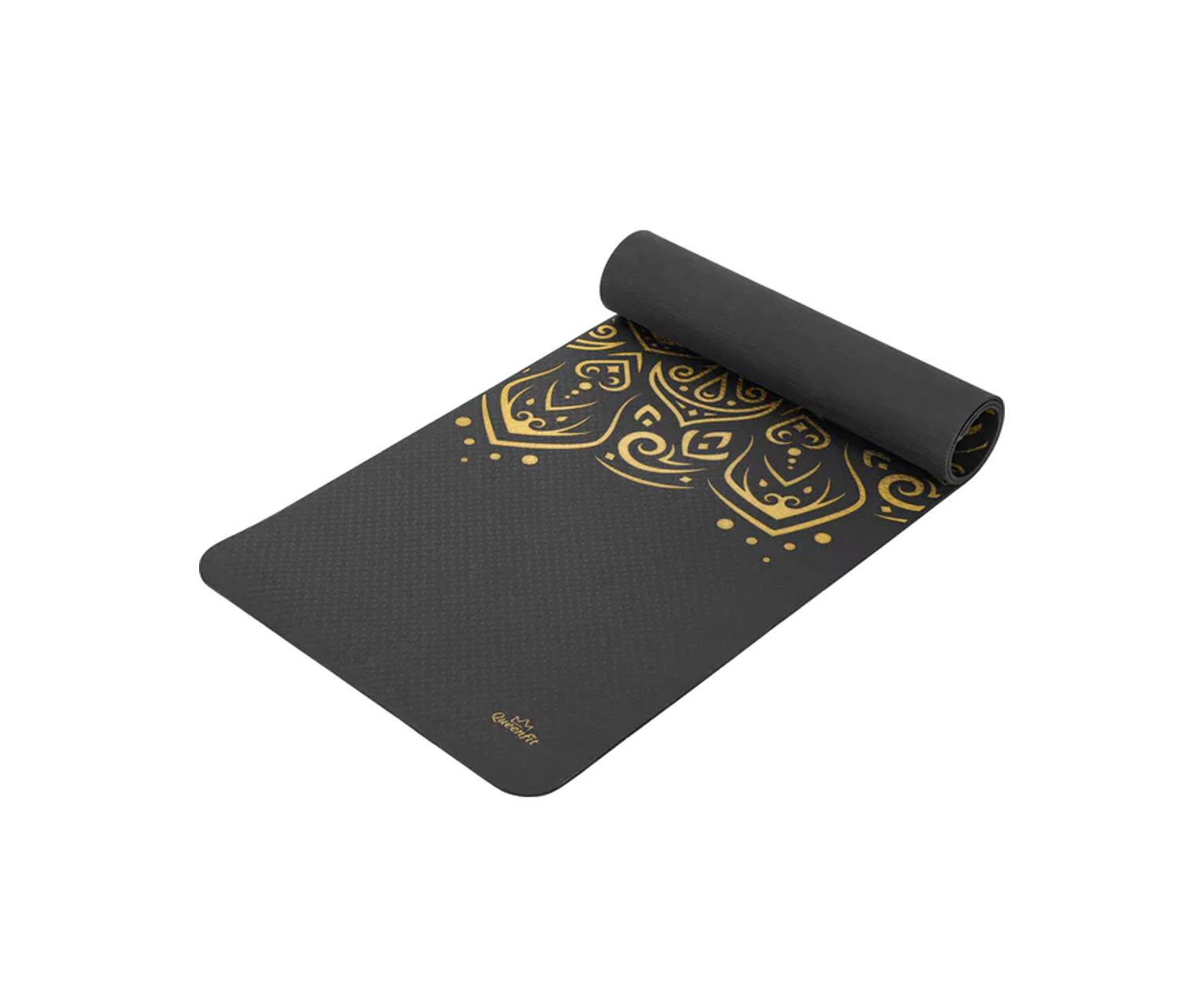
The Queenfit TPE Mandala yoga mat captivated our testers with its aesthetic design and lightweight construction. The mandala motif sets a relaxing atmosphere, and the 181×61 cm dimensions provide enough space for relaxed practice. The thickness of 0.5 cm provides comfortable cushioning, protecting knees and wrists when practicing in support, and the non-slip surface guarantees stability in dynamic transitions between asanas. The testers also emphasized water resistance and ease of cleaning - the mat worked well both in the room and outdoors. However, not everything performed perfectly. Our testers didn't like the intense smell of the material after unpacking, requiring prolonged airing. They also pointed out that the thin construction did not always provide enough protection on hard ground. There were also comments that with frequent use, the surface may wear down faster.
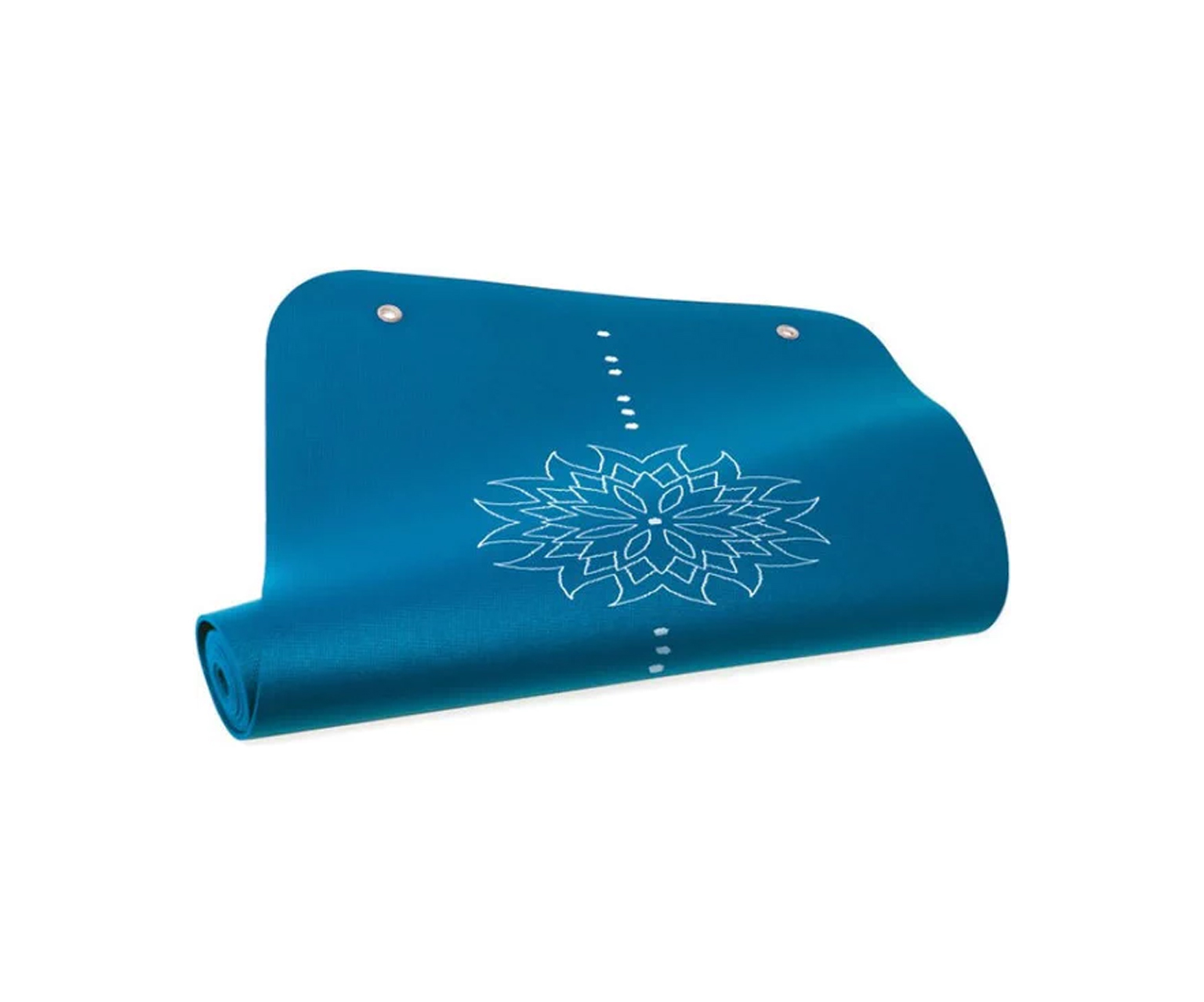
The Tiguar Yoga Basis yoga mat made a good first impression on our testers with its solid workmanship and aesthetic color. The PVC material with a touch of rubber provided pleasant softness and cushioning, and thanks to the metal grommets, the mat was easy to store on a hanger. Stability on a smooth floor was rated highly, especially for static positions. However, our testers did not like the fact that with sweaty hands the mat becomes slippery, making it difficult to hold positions such as head-down dog. It was also noted that it initially has a noticeable odor, which takes time to dissipate. An additional downside is its weight - some people found it less comfortable to carry than lighter models. Some testers also lacked a more pronounced non-slip texture, which reduced the feeling of confidence in dynamic sequences. The Tiguar yoga mat has a very high price tag, which our testers felt was inadequate for the quality.
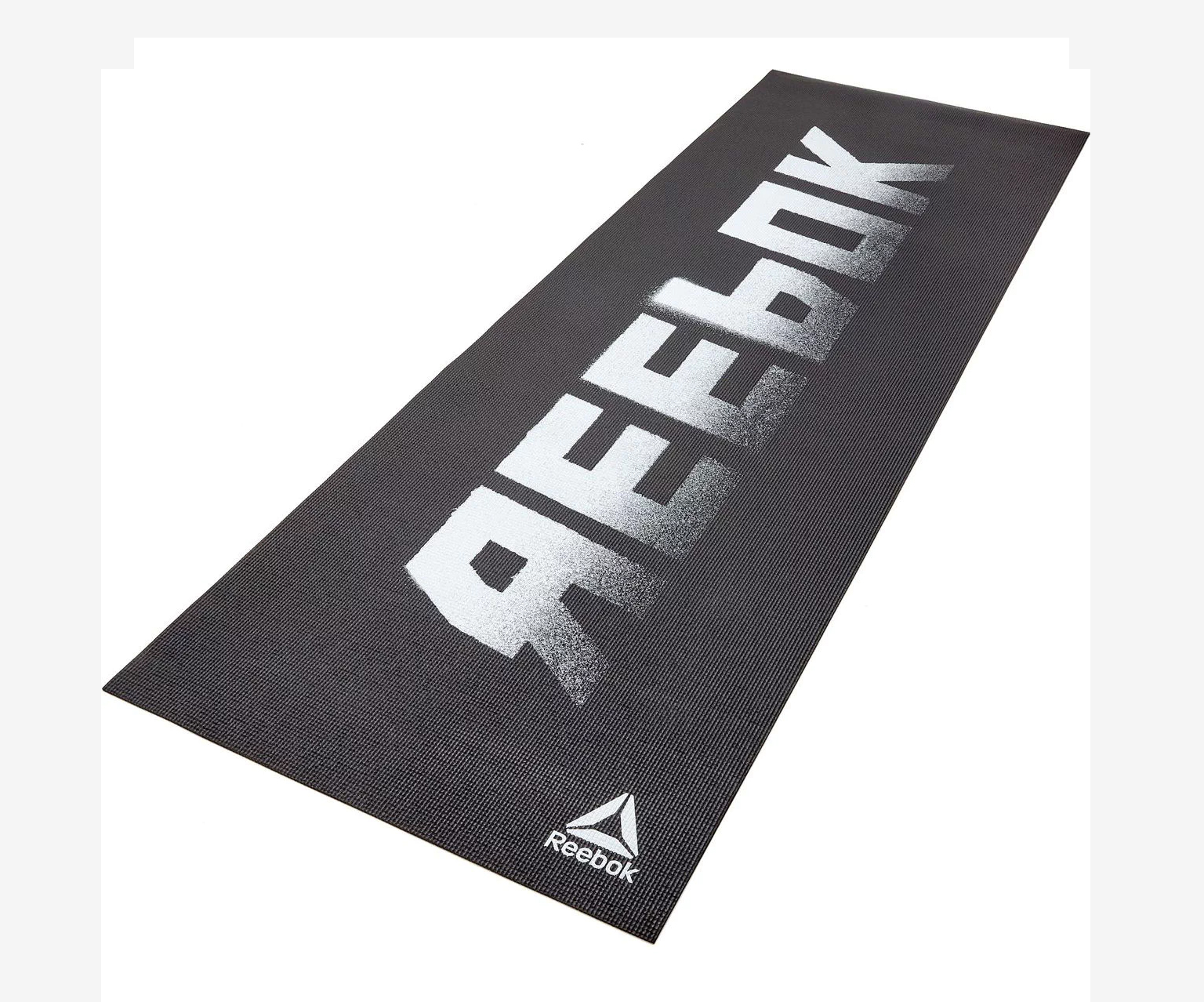
The Reebok yoga and Pilates mat won praise from our testers thanks to its sturdy workmanship and tactile surface. The non-slip layer worked well during calmer sequences, and the thin construction (4 mm) provided direct contact with the ground and a sense of stability. Testers also praised the lightweight and easy-to-carry design - the mat fit easily in a bag and rolled up quickly. Our testers stressed that such a small thickness does not provide enough cushioning for longer sessions, which can be troublesome for knees and wrists. It was pointed out that in more dynamic asanas, there are times when the palms slip slightly, especially with damp skin. Several people also noted that the material is prone to deformation and shows signs of use more quickly than thicker models.
