
The Best Acne Treatment - Top 5 in 2026

Visible breakouts, blackheads, enlarged pores, and excessive skin shine are the characteristic symptoms often caused by acne vulgaris. To effectively reduce their occurrence, regular skincare using appropriately selected products is essential. Together with our testers, we evaluated products designed for problem skin and assessed their effectiveness during daily use. As a result, we’ve compiled a list of the best skincare products for acne vulgaris in 2026. If you also struggle with acne vulgaris, our ranking will help you find products that effectively reduce blemishes and improve the appearance of your skin.
The ranking factors we considered are:
- Effectiveness
- Reduction of acne lesions
- Active ingredients
- Safety
- Application
- Texture
- Price
What features should you look for in good acne treatment products?
Targeted action on the source of breakouts: An effective acne treatment should not only mask symptoms but also actively reduce the formation of new breakouts by regulating the pore microenvironment and reducing bacterial activity.
Control of sebum production: Excess sebum production contributes to clogged pores and recurring breakouts. It’s worth choosing skincare products containing ingredients that normalize sebaceous gland function without causing dryness.
Exfoliating and pore-unclogging action: A key role of acne treatment products is to support the regular removal of accumulated dead skin cells from the surface of the pores, which helps reduce blackheads and inflammatory lesions.
Supporting regeneration and reducing marks: Acne vulgaris often leaves behind discoloration and uneven skin texture. A well-chosen skincare product should support cell renewal and help fade post-inflammatory marks.
Soothing inflammation: Soothing ingredients reduce redness and tightness, which is particularly important for sensitive skin prone to acne vulgaris.
Light, fast-absorbing formula: A product for acne vulgaris should have a concentrated yet lightweight texture that doesn’t clog pores or leave an oily film after application.
Safety with regular use: The best products feature a well-balanced formulation, a minimal amount of potentially irritating ingredients, and the ability to incorporate them into your daily routine without the risk of increasing skin sensitivity.
Check out our ranking of the best skincare products for acne vulgaris:

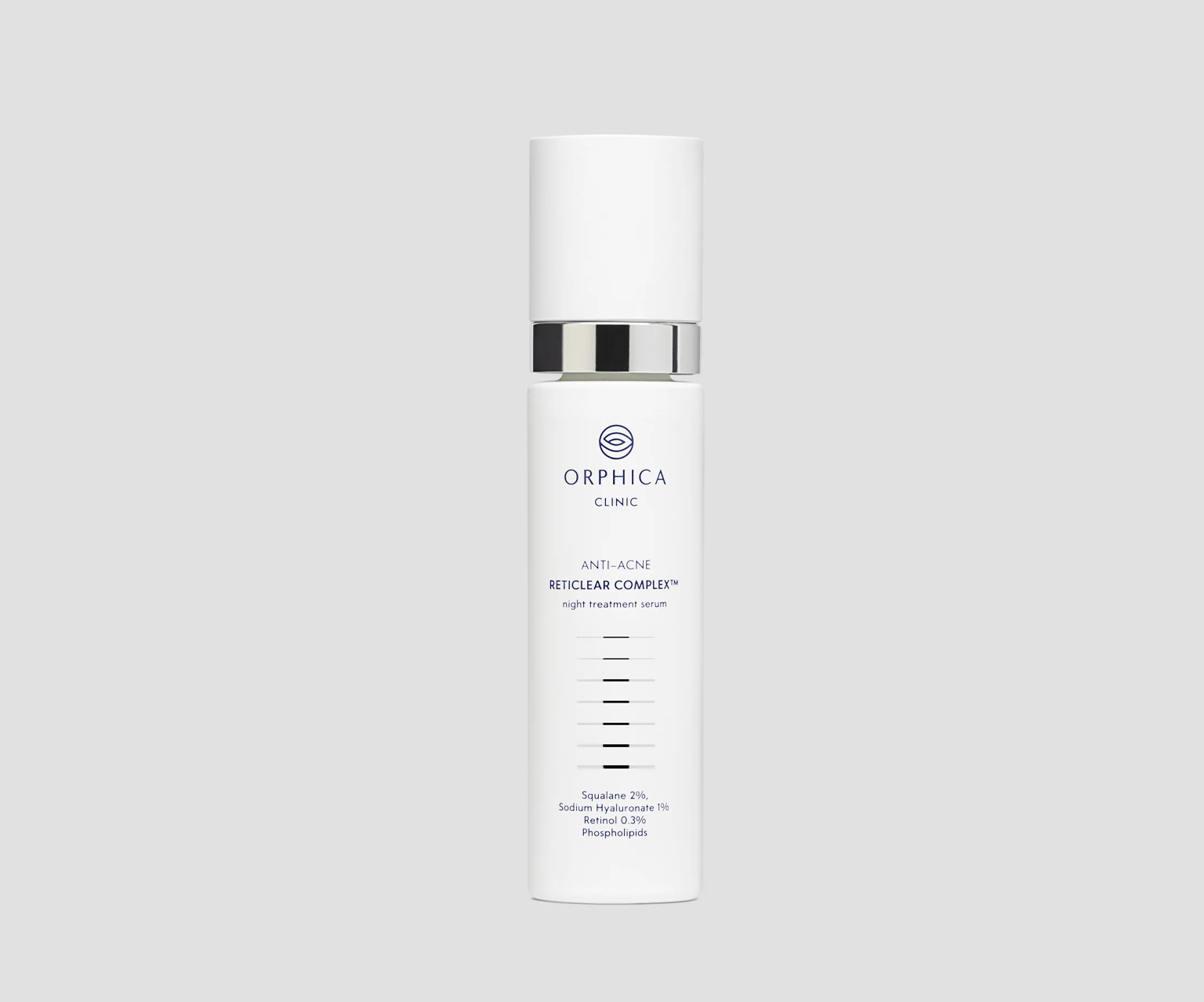
Orphica Clinic Anti-Acne Night Serum is an advanced nighttime formula designed for problem skin struggling with acne vulgaris. At its core is the proprietary RetiClear Complex™, which combines the targeted action of retinol and squalane. Retinol at a concentration of 0.3% accelerates the natural cell renewal cycle of the epidermis, stimulates collagen and elastin synthesis, and normalizes keratinization processes—thereby reducing the tendency to develop blackheads and micro-inflammatory lesions characteristic of acne vulgaris. Our testers observed that the Orphica Clinic Anti-Acne serum helps reduce post-inflammatory hyperpigmentation and smooths the skin’s texture. Squalane acts as an emollient, supports the hydrolipid barrier, and protects the skin against transepidermal water loss without clogging the pores. Hyaluronic acid intensely hydrates by binding water in the epidermis and improving its elasticity, while phospholipids complement the regenerative and soothing effects. The light, emulsion-like texture absorbs quickly and works overnight, when the skin’s repair processes are most active. Our testers particularly appreciated the fact that the formula contains no unnecessary fragrances or ingredients that increase the risk of irritation.
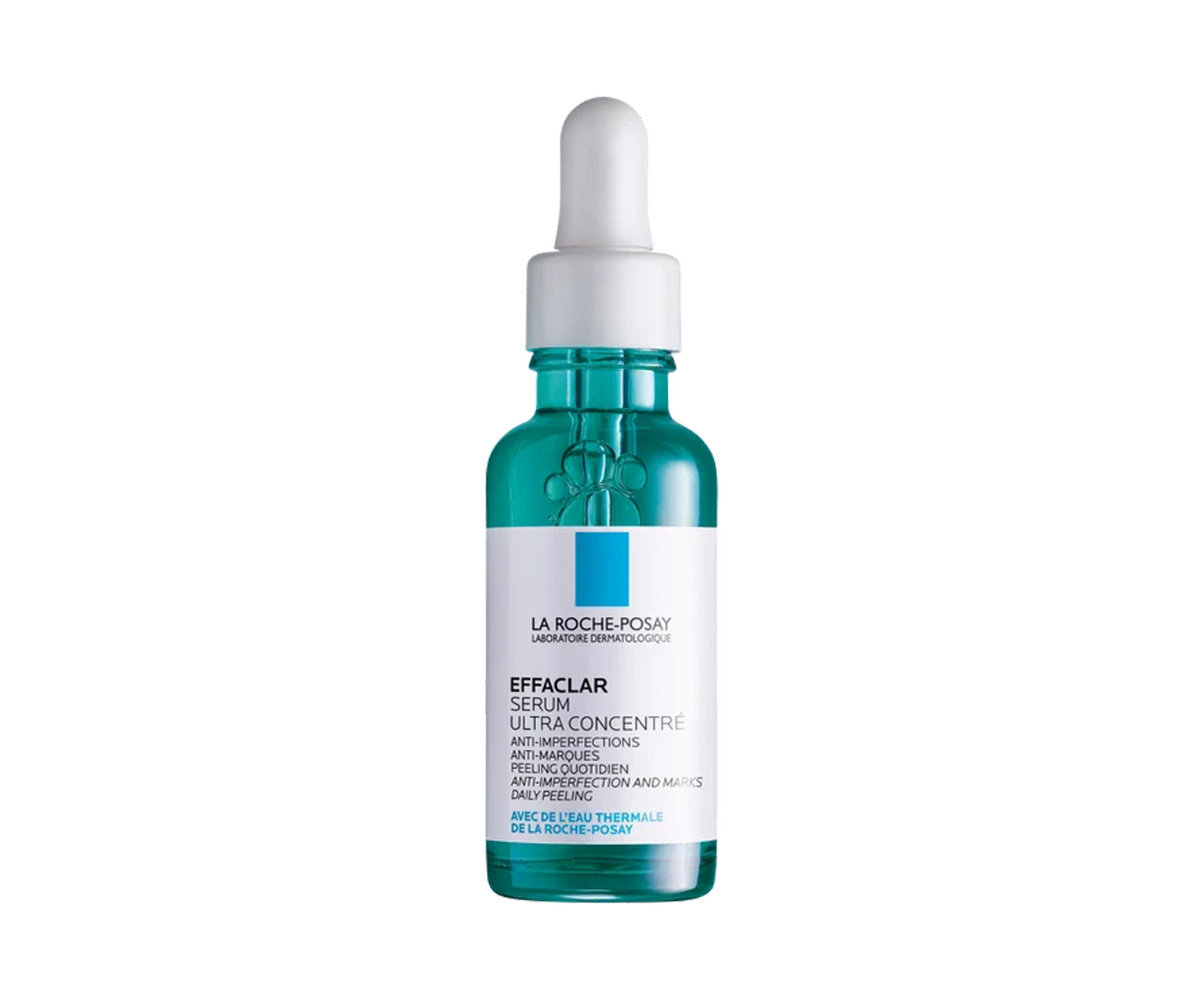
La Roche-Posay Effaclar Concentrated Serum is a product that combines the multifaceted action of three highly concentrated acids with soothing niacinamide, formulated for skin affected by acne vulgaris. Glycolic acid exfoliates the surface of the epidermis, stimulates skin renewal, and helps reduce post-acne hyperpigmentation. Salicylic acid penetrates deep into the pores, removes accumulated sebum, prevents the formation of blackheads, and has anti-inflammatory properties, limiting the growth of bacteria responsible for acne vulgaris. LHA—a derivative of salicylic acid—gently micro-exfoliates the skin more delicately than traditional acids, reduces the appearance of pores, and regulates keratinization over the long term. Niacinamide soothes skin reactivity, helps reduce redness, and evens out skin tone. The Tribioma prebiotic complex supports the skin’s microbiome, while Aqua Posae Filiformis strengthens its protective barrier. Testers noted that Alcohol Denat. is listed high on the ingredient list; in sensitive skin, this increases the risk of dryness and may contribute to the recurrence of conditions such as acne vulgaris.
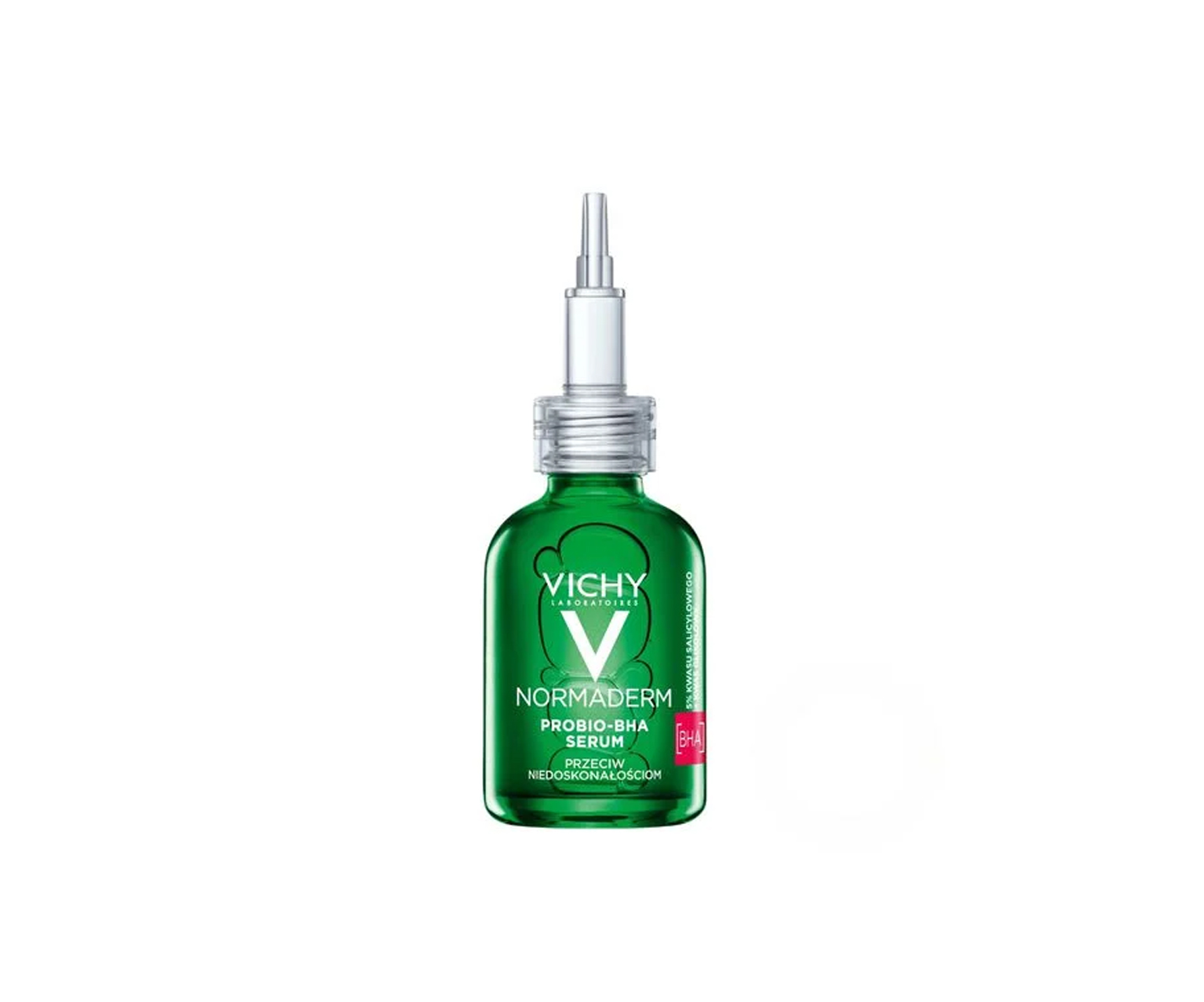
Vichy Normaderm Probio-BHA Serum is an innovative formula designed for skin prone to acne vulgaris, particularly when caused by hormonal changes. The key ingredient is a 5% complex of salicylic acid (BHA) and glycolic acid (AHA), which works in two ways: salicylic acid penetrates deep into the pores, unclogs them, removes excess sebum, and prevents the proliferation of bacteria responsible for acne, while also providing anti-inflammatory benefits. Glycolic acid exfoliates the skin’s surface, stimulates skin renewal, and reduces the appearance of post-acne hyperpigmentation. Probiotic fractions derived from Vitreoscilla Ferment bacteria strengthen the skin’s protective barrier and support the restoration of the microbiome, reducing the risk of recurrent inflammatory lesions. Mineral-rich Vichy volcanic water has a soothing and revitalizing effect. Testers noted that, as with Effaclar, the ingredient list lists Alcohol Denat. near the top, which may intensify the feeling of tightness on dry, sensitive skin prone to acne vulgaris. Some testers also noted that with daily use during the first few weeks, there may be a temporary worsening of skin imperfections.
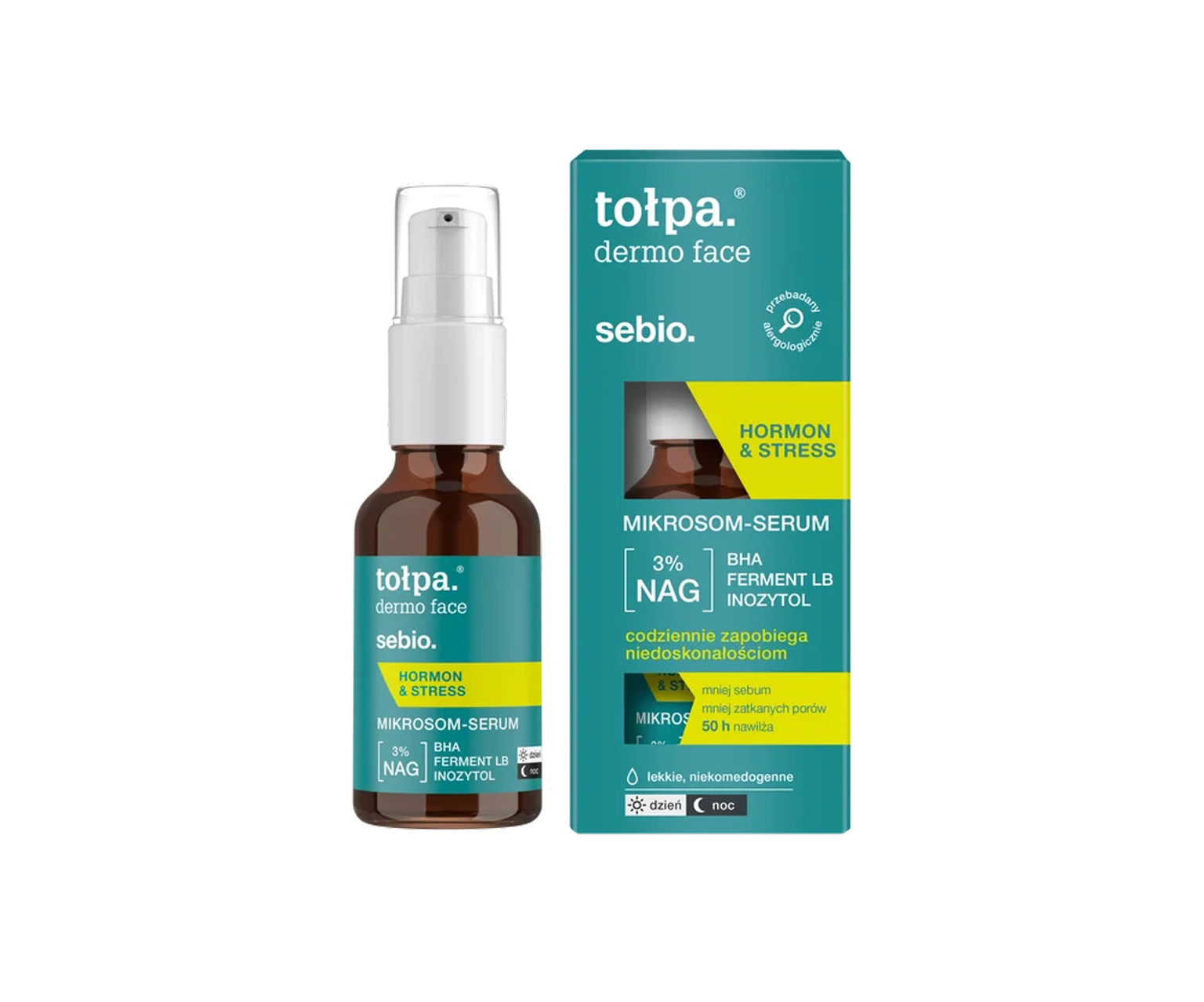
Tołpa Dermo Face Sebio Pore-Tightening Mattifying Serum is a product designed for oily, combination, and problem skin that is prone to conditions such as acne vulgaris. The formula is based on a unique tołpa® peat extract, which regulates sebum production, has antibacterial properties, and supports epidermal regeneration. A complex of zinc sulfate and oligosaccharides normalizes sebaceous gland function and reduces the skin’s tendency to become shiny—testers observed that the mattifying effect lasts for up to several hours. Salicylic acid penetrates the pores, clears them of accumulated sebum, and gently exfoliates dead skin cells, while lactic acid supports this process. Testers noted that the formula contains alcohol and a fragrance, which can be problematic for hypersensitive skin prone to acne. Our testers also didn’t like the relatively small size and low yield—the product has a very watery consistency.
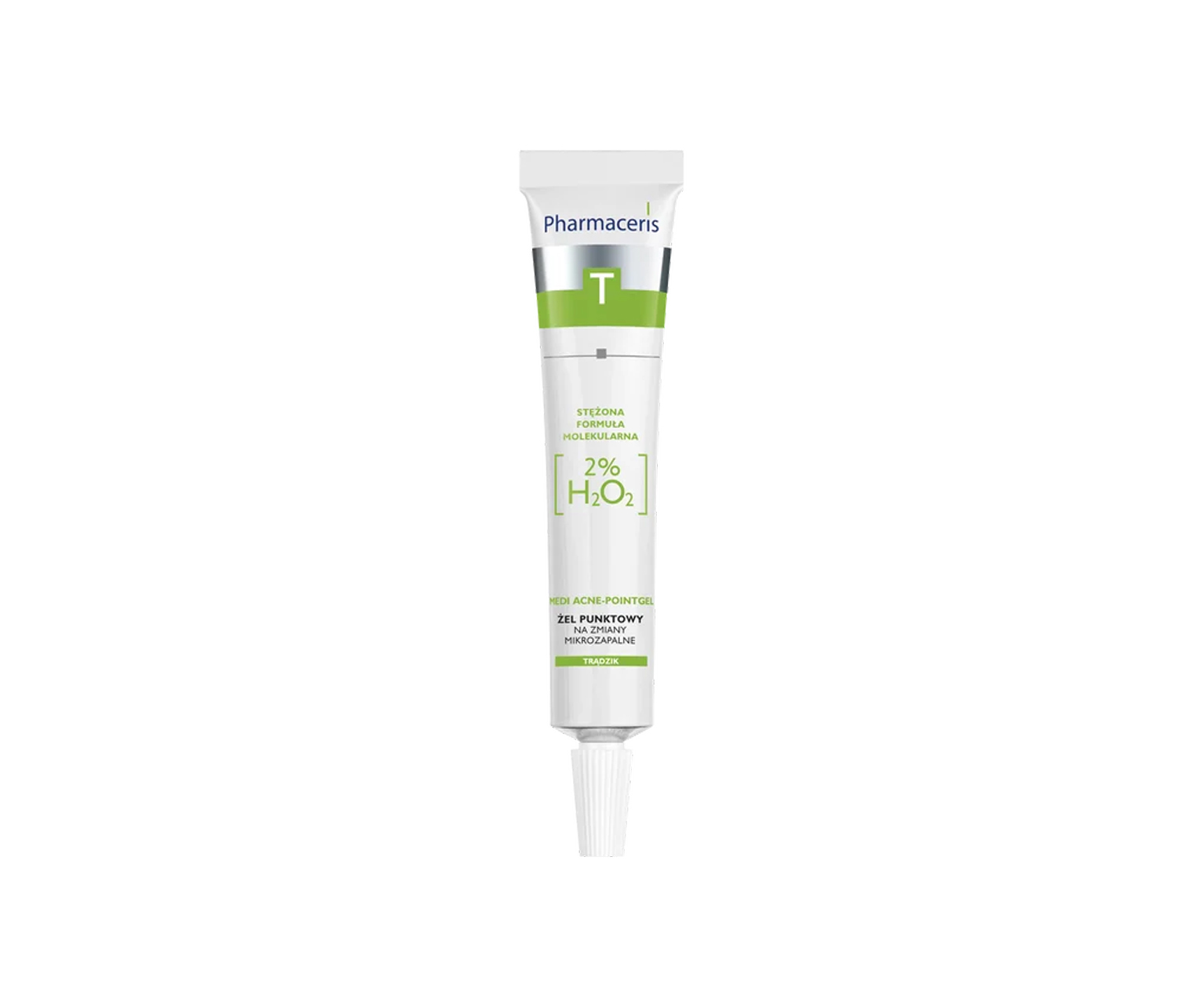
Pharmaceris T Medi Acne-Pointgel is a concentrated spot treatment gel specifically formulated to target active lesions associated with acne vulgaris. Its key ingredient is 2% H₂O₂ (hydrogen peroxide)—a substance with strong antibacterial and disinfecting properties that directly destroys the bacteria responsible for the inflammation characteristic of acne vulgaris and accelerates the resolution of lesions. Salicylic acid regulates the keratinization process, gently exfoliates dead skin cells, cleanses the sebaceous gland openings, and reduces the tendency for new blackheads to form. Niacinamide soothes redness, provides antioxidant protection, and supports skin regeneration after inflammatory lesions have subsided. Panthenol soothes irritation and accelerates the healing of the epidermis. Testers noted that the product is intended solely for spot treatment, which rules out using it as a serum for the entire face—it works best only as a supplement to a basic skincare routine for acne vulgaris. According to our testers, the price is not commensurate with the product’s ingredients and the size of the container, which holds only 10 ml.
