
The Best Oils for Drinking and Applying to the Skin — Top 5 in 2026

Oils for internal use and topical application are concentrated formulations based on vegetable oils that work on the skin “from the inside” —they provide the body with valuable omega-3, omega-6, and omega-9 fatty acids, as well as fat-soluble vitamins (A, D, E, K). Unlike topically applied cosmetics, edible oils for the skin support the hydrolipid barrier, moisture levels, and the elasticity of the epidermis directly through your daily diet. More and more people are turning to them as a natural skincare supplement, especially for dry, sensitive, or mature skin. If you’re wondering which edible oils for the skin are actually worth incorporating into your routine in 2026, be sure to check out our list of the Top 5 Best Edible Oils for Skin in 2026—with the help of our testers, we compared their ingredients, extraction methods, fatty acid profiles, and real-world experiences.
The ranking factors we took into account are:
- Effectiveness
- Active ingredients
- Safety of use
- Value for money
- Time to see results
- Yield per package
- Convenience of supplementation
What features should you look for in good skin-nourishing oils?
Omega-3 fatty acids (ALA, EPA, DHA): These are among the most important ingredients that support skin health “from the inside” — they have anti-inflammatory properties and help maintain the skin’s proper hydrolipid barrier. People with dry skin prone to irritation and loss of elasticity will particularly appreciate their benefits. Good sources include flaxseed oil, canola oil, and fish and algae oils.
Omega-6 fatty acids (linoleic acid and GLA): Gamma-linolenic acid (GLA), found in evening primrose oil and borage oil, among others, supports skin regeneration and reduces dryness. However, it is important that the oil maintain a reasonable ratio of omega-3 to omega-6, as an excess of omega-6 alone is not beneficial to the body.
Vitamin E (tocopherols): A natural antioxidant that protects skin cells from oxidative stress and slows down the aging process. Additionally, it stabilizes the oil itself, protecting valuable fatty acids from rancidity, so its presence in the formulation offers a dual benefit.
Vitamin A / beta-carotene: Supports cell renewal and the proper functioning of the epidermis, improving its smoothness and tone. Oils rich in carotenoids (e.g., sea buckthorn or carrot oil) further promote a natural, healthy complexion.
Cold-pressed and unrefined: The method used to extract the oil is of great importance to its nutritional value. Cold-pressed and unrefined oils retain more unsaturated fatty acids, vitamins, and antioxidants than those subjected to heat treatment or refining.
Pure, thoughtfully formulated: A good oil for drinking and applying to the skin should be free of unnecessary additives, preservatives, and artificial flavors. It’s worth choosing products with verified raw material sources—preferably organic—that clearly list their fatty acid composition.
Convenient form and bioavailability: Oils for consumption are available in liquid form and in capsules—what matters is that the form suits your habits and encourages regular use. Some formulations are enriched with additional ingredients (e.g., vitamin D or coenzyme Q10), which enhances their comprehensive effects
Check out our ranking of the best oils for drinking and skin care:

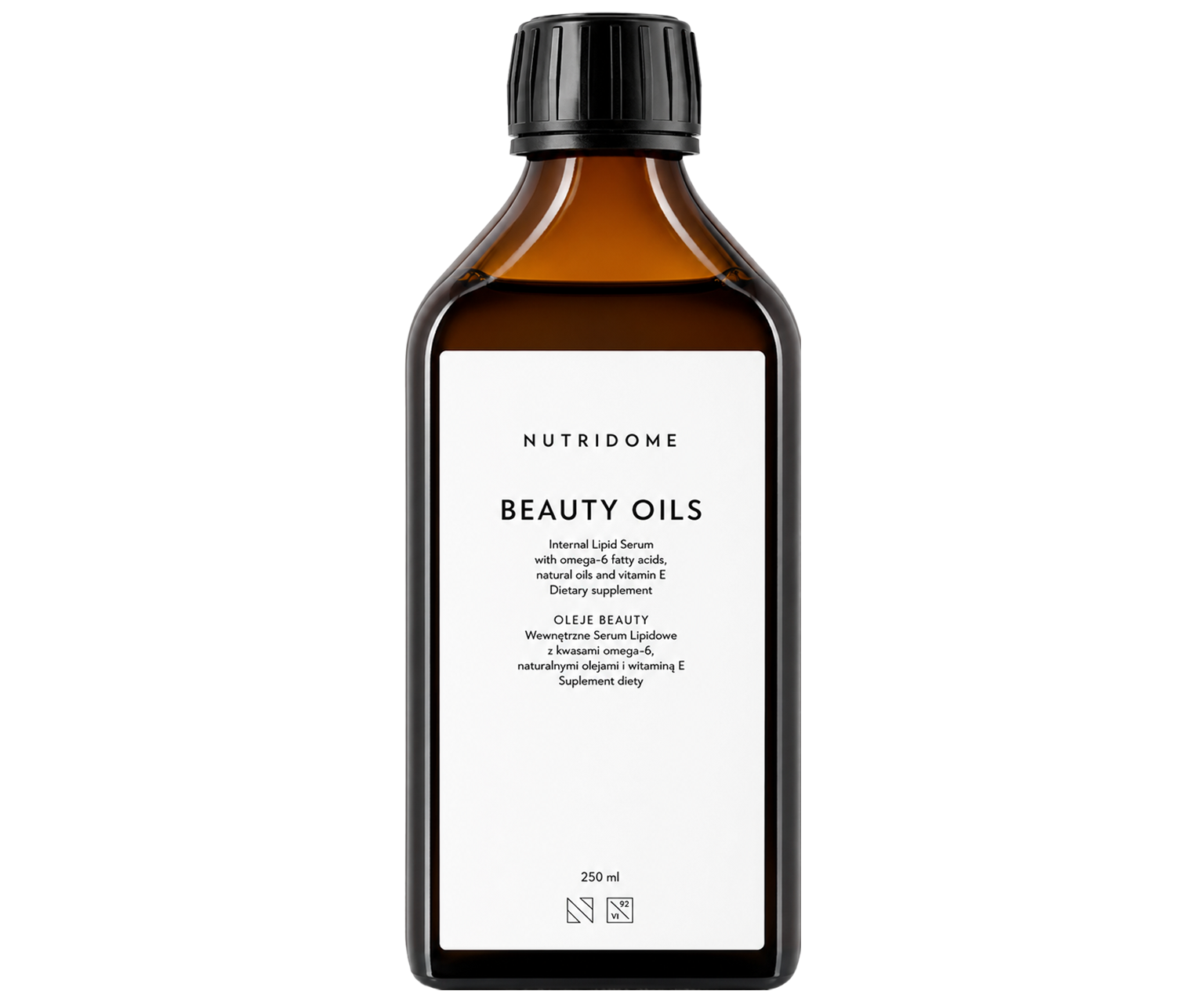
Oils for oral use and topical application, containing omega-6 fatty acids and vitamin E, are a liquid supplement from Nutridome Beauty that supports skin health by nourishing it from within. At the heart of the formula is a blend of four plant oils: avocado, pumpkin seed, black currant seed, and NEWmega™ borage—a standardized source of gamma-linolenic acid (GLA) from the omega-6 group. It is GLA that helps support the hydrolipid barrier and maintain proper skin hydration, which is why this formula will be particularly appreciated by those with dry, irritation-prone skin. Pumpkin seed and black currant oils provide additional unsaturated fatty acids that support skin elasticity and comfort, and the daily dose contains as much as 0.1 g of GLA. The formula is rounded out with vitamin E (12 mg, 100% RDA)—a natural antioxidant that protects cells from oxidative stress and slows the aging process. The oils are cold-pressed, unfiltered, and unrefined, allowing them to retain their full range of biologically active ingredients, free from preservatives and artificial additives. Our testers praised the neutral taste, the convenient dispenser, and the noticeably improved hydration and smoothness of their skin after a few weeks of use. These are nourishing oils for drinking and applying to the skin, designed for mindful care from the inside out.
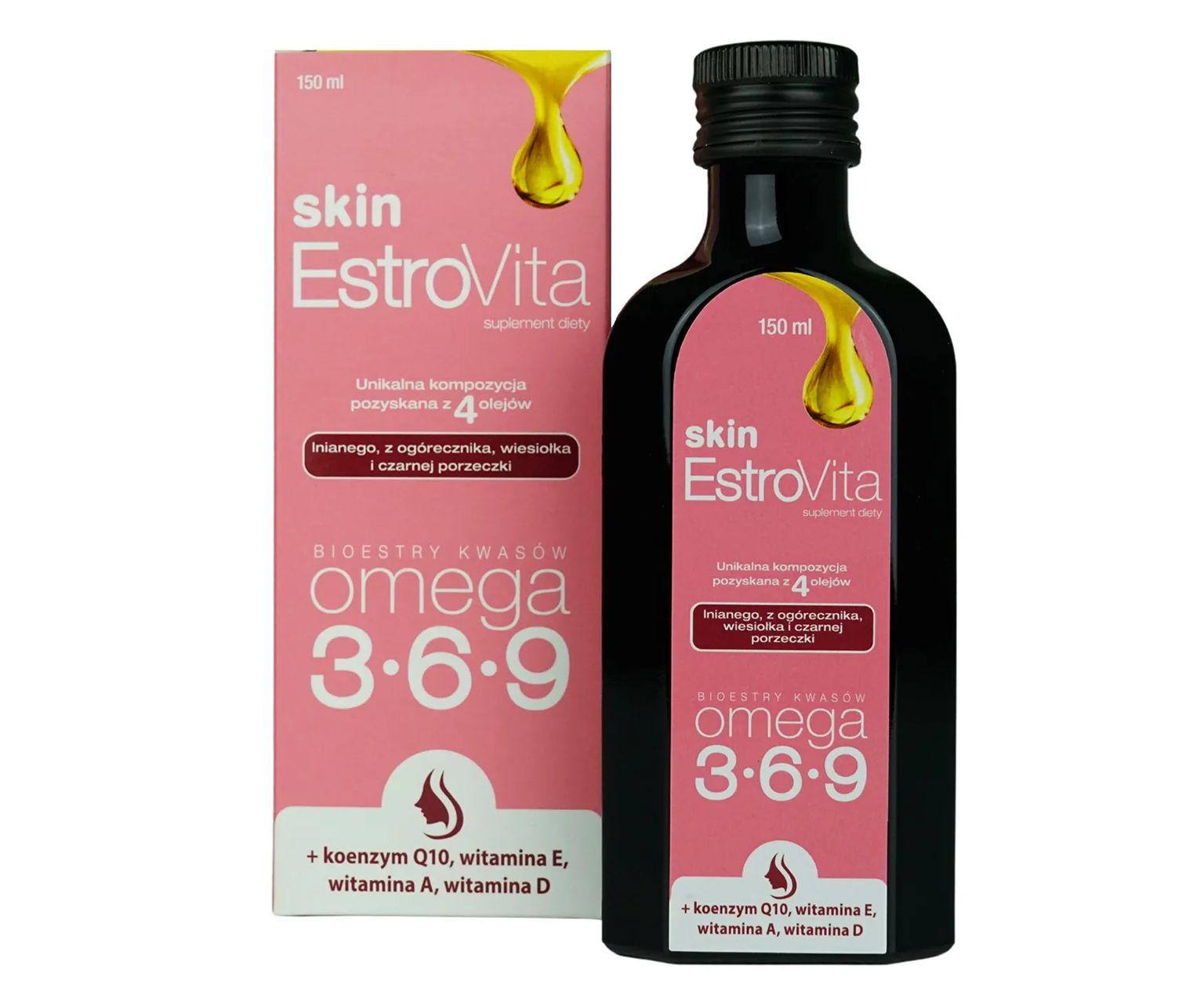
EstroVita Skin is a liquid dietary supplement that, within the category of oils for oral consumption for skin health, features ethyl esters of omega-3, 6, and 9 fatty acids isolated from four plant oils: flaxseed, evening primrose, borage, and black currant. The formula provides alpha-linolenic acid (ALA), linoleic acid, gamma-linolenic acid, and oleic acid in the form of monomeric molecules, which ensures high bioavailability and bioretention. These acids support the epidermal hydrolipid barrier, while the accompanying vitamins A, D, E, and coenzyme Q10 reduce oxidative stress and support skin cell renewal. Rosemary extract acts as a natural antioxidant. Our testers did not like the presence of a sweetener in the flavored variants, which means the product is not neutral in taste. The testers also noted the need to store the product in the refrigerator after opening and the relatively low monthly yield of the package.
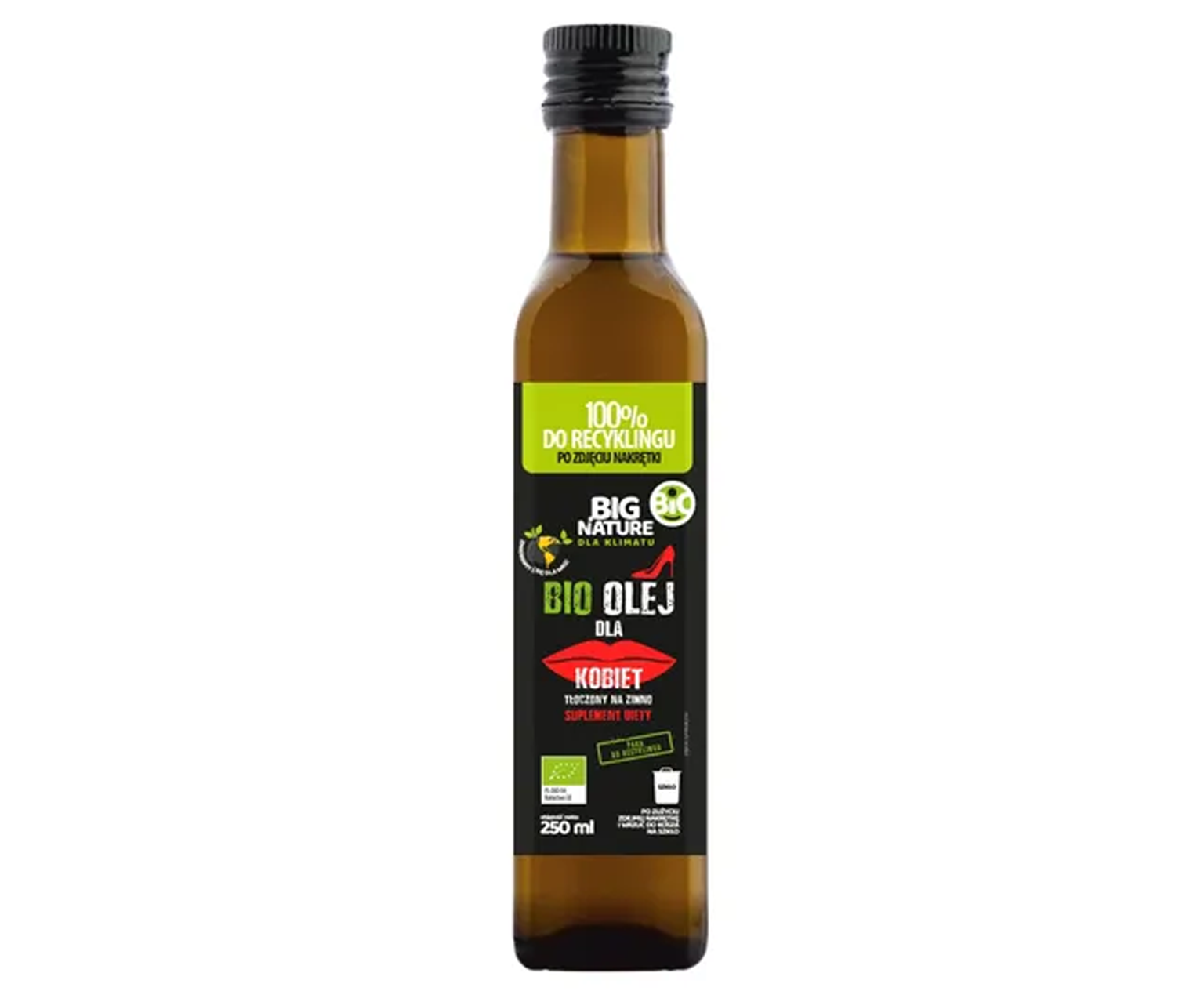
Big Nature Oil for Women is an organic blend of three cold-pressed oils: flaxseed, olive, and evening primrose. As part of the “Oils for Consumption and Skin Care” line, this product features a natural balance of fatty acids. Flaxseed oil is a source of alpha-linolenic acid (omega-3), which supports skin elasticity and hydration; olive oil provides monounsaturated oleic acid (omega-9) and polyphenols with antioxidant properties, while evening primrose oil contributes gamma-linolenic acid (GLA), which supports hormonal balance and skin health. Cold-pressing preserves vitamin E and keeps the fatty acids intact. Our testers did not like the rather simple, three-ingredient formula, which seems sparse compared to multi-oil formulations. The testers also noted the lack of specified GLA content and the noticeable, earthy aftertaste of flaxseed, which may not appeal to everyone when consumed directly. The testers did not like the manufacturer’s claim that the product is intended exclusively for women.
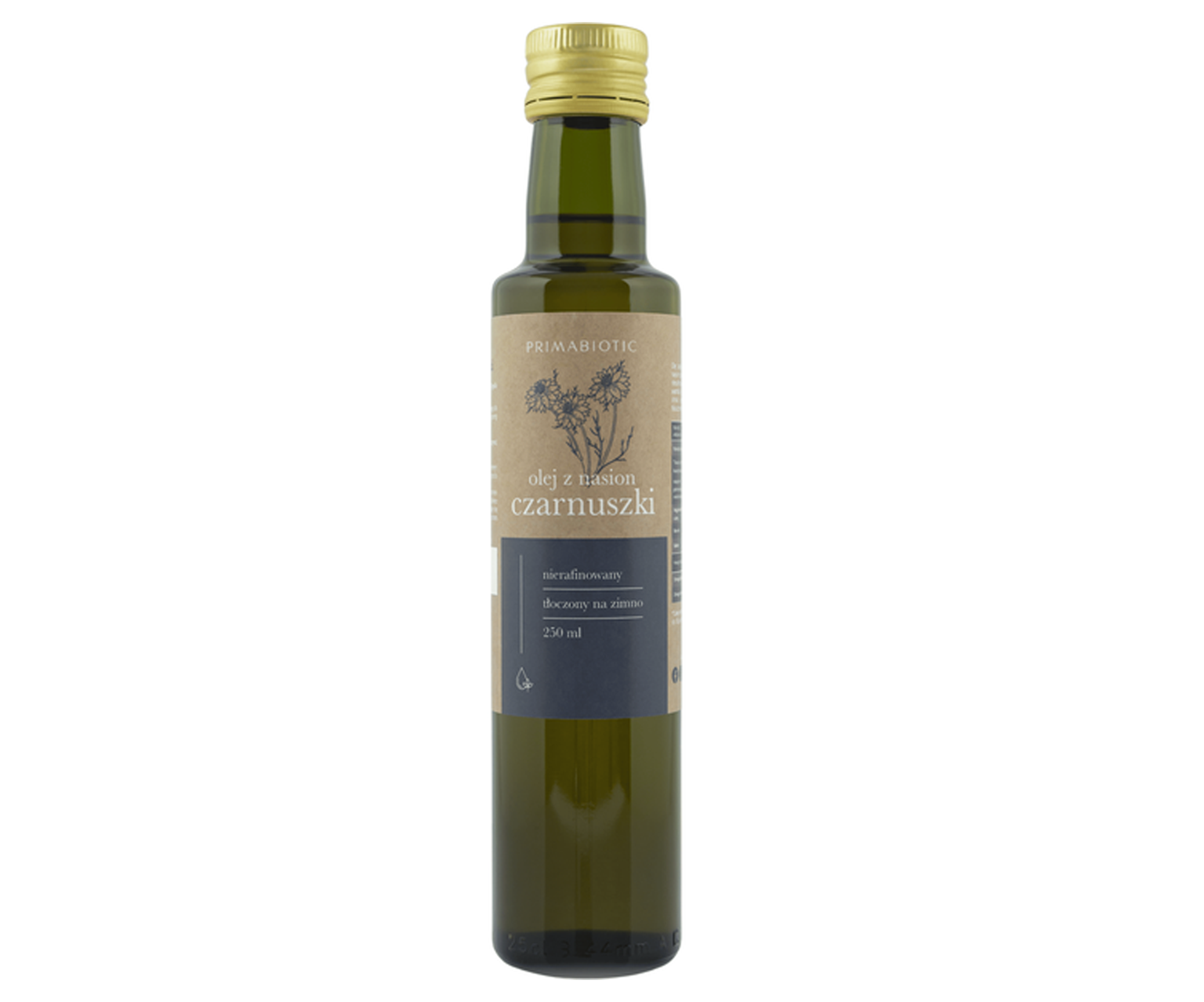
Primabiotic Black Cumin Seed Oil is a single-ingredient, unrefined, cold-pressed oil made from Nigella sativa seeds. In the “Oils for Internal Use and Skin Care” category, it stands out for its rich profile of active compounds. The most valuable of these is thymoquinone—a component of the essential oil with antioxidant and anti-inflammatory properties that supports the skin’s natural defense mechanisms. The oil also provides linoleic acid (omega-6), which helps build the skin’s lipid barrier, and oleic acid (omega-9), while the phytosterols, flavonoids, and vitamin E present in the oil further enhance its antioxidant effects. As a result, the product supports skin tone, immunity, and healthy cholesterol levels. Our testers did not like the intense, bitter, and spicy aroma, which makes the oil difficult to drink straight. The testers also noted the absence of the declared thymoquinone content and the fact that the product must not be heated or added to hot dishes, which makes it difficult to use with meals.
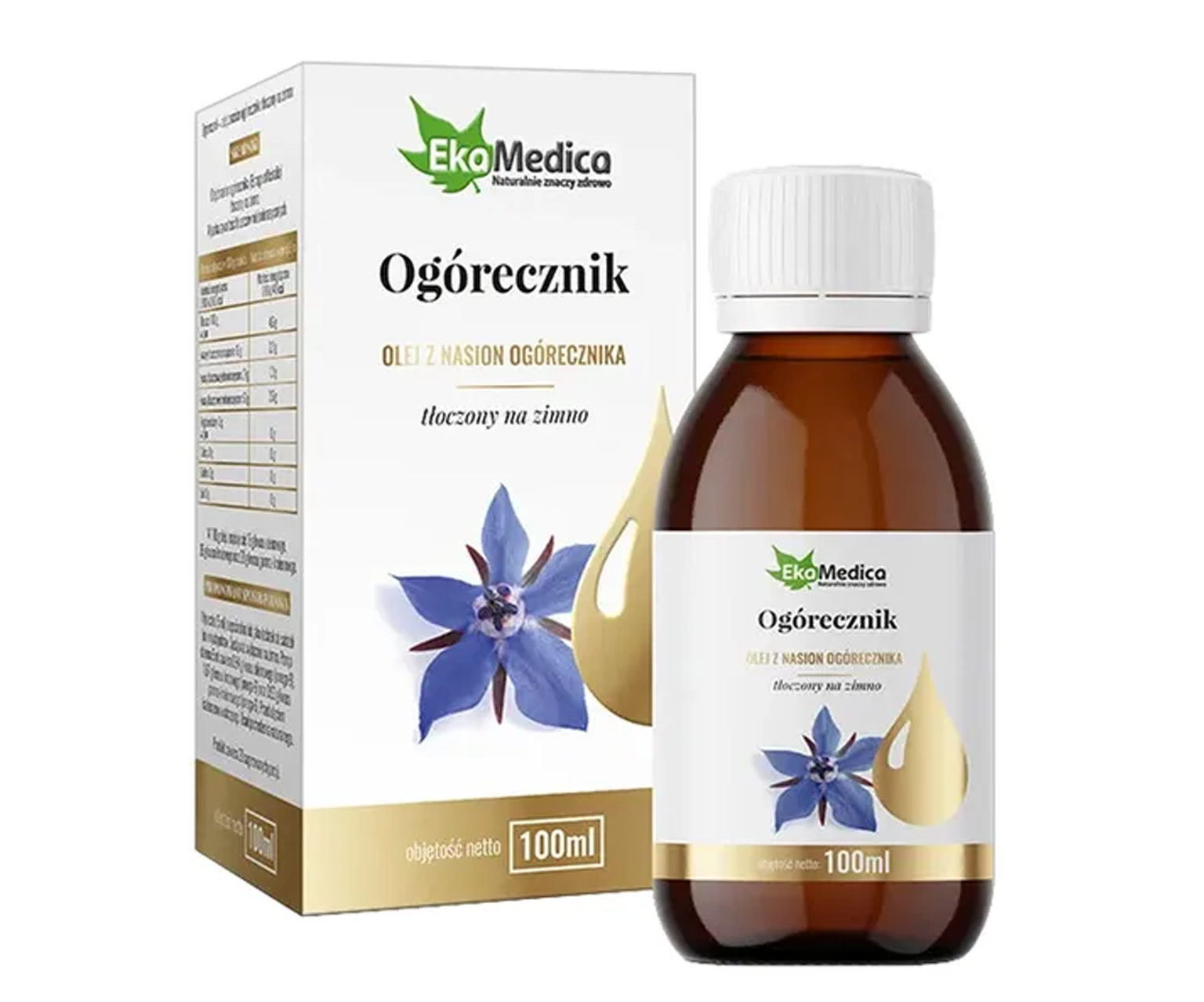
EkaMedica Borage is a 100% natural, cold-pressed oil made from borage seeds (Borago officinalis). In the category of oils for internal use and skin care, this product stands out for its record-high content of gamma-linolenic acid (GLA)—a valuable omega-6 fatty acid that the body converts into a precursor of prostaglandins with anti-inflammatory properties. GLA strengthens the skin’s protective barrier, improves hydration and elasticity, and soothes redness, making the oil ideal for sensitive, couperose skin. The accompanying linoleic acid helps maintain healthy cholesterol levels, while oleic acid rounds out the profile of unsaturated fatty acids. Our testers did not like the small, 100-milliliter bottle size, which lasts for only about twenty days of supplementation. The testers also noted the single-ingredient formulation—which lacks vitamins and antioxidants to support the oil’s effects—and the requirement to consume it exclusively cold. The testers noted that the formula isn’t as effective as multi-ingredient oils intended for both internal consumption and topical application.
